
Digital events have evolved over the past few years from a pragmatic stopgap solution into a firmly established part of the international event landscape. They complement traditional in-person formats, extend their reach and create experiences that would hardly be feasible on a purely physical stage. For the event industry, this shift has triggered a profound technological, organizational and creative transformation. Prolight + Sound has been observing this development for a long time and showcases how innovative tools, digital platforms and immersive technologies enhance the live experience.
While the return to in-person events is clearly noticeable, digital formats are no longer a temporary phenomenon. They streamline processes, complement trade fairs and conferences, create sustainable communication channels and open up new business opportunities. This article highlights key developments, shows relevant fields of application and explains why digital events will remain a strategic success factor in 2025 and beyond.
Digital events: definition and market position
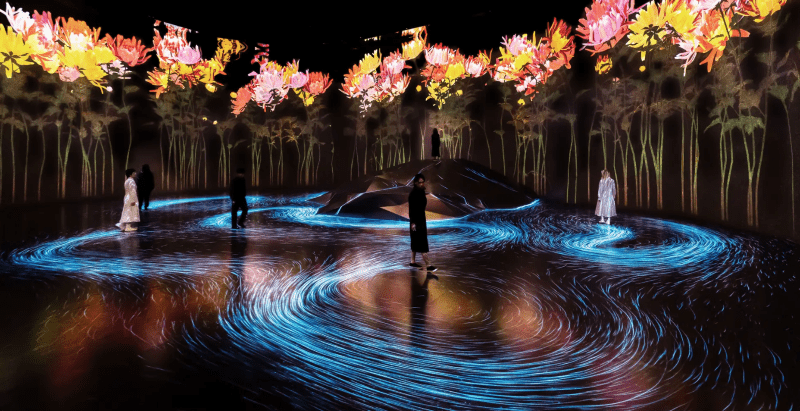
(c) teamLab, 2017, Interactive Digital Installation, Endless, Sound teamLab
Digital events are formats that take place entirely or partly online. They include virtual conferences, digital trade fairs, webinars, live-streamed events, product presentations or hybrid formats where participants can join both on site and remotely. The crucial point is that these events are delivered and managed via digital platforms, interactive tools and audiovisual media technology.
The global market for virtual events is growing at an above-average rate. Various market analyses predict that market volume will triple by the early 2030s compared to 2025. Digital and hybrid formats will also remain an essential part of the MICE industry in Europe. The reasons for this are diverse: scalability, accessibility, sustainability and cost savings – but also the opportunity to reach target groups that are not available for physical events.
For the event industry, this is more than just an extension of the existing business model. Digital events create additional value chains: they enable new ticketing models, extended trade fair runtimes, on-demand access, data-driven success measurement and global reach. At the same time, they are changing technical standards, because without professional audio and lighting, seamless streaming and convincing media technology, digital events can hardly remain competitive.
Why digital events are here to stay – and will keep growing
Even though many organisers are once again focusing more strongly on in-person events, numerous developments show that digital formats will remain indispensable in the long term. The reasons for this are structural in nature.
Global reach and accessibility
A digitally extended event reaches people far beyond the capacity of a single exhibition hall or convention centre. Companies and organisers tap into international target groups without travel costs or logistical barriers preventing participation. This opens up new potential especially for exhibitors, as presentations, demonstrations and expert talks can be accessed worldwide.
Flexibility for planning and participants
Digital events are scalable. They can be adjusted or expanded at short notice or integrated into a hybrid format. For companies with many international employees or customer groups, digital events are now a vital part of their communication strategy.
Sustainability as a growth driver
Digital formats reduce travel, material consumption and energy use. Industry analyses show that sustainability goals increasingly influence event design, tenders and budget decisions. Digital alternatives or complementary streaming elements therefore also improve the ecological performance of an event.
Measurability and data analytics
Digital events offer comprehensive real-time insights and analytics: participation behaviour, interaction, dwell time, conversion rates, engagement levels and many other metrics can be evaluated precisely. Exhibitors gain a clear understanding of which content works and which target groups are particularly engaged.
Extended post-event use
Talks, panels or product presentations can be recorded and repurposed in media libraries, social media campaigns or content marketing strategies. This transforms an event from a one-off occurrence into a long-term communication instrument.
Technological foundations: what digital events need
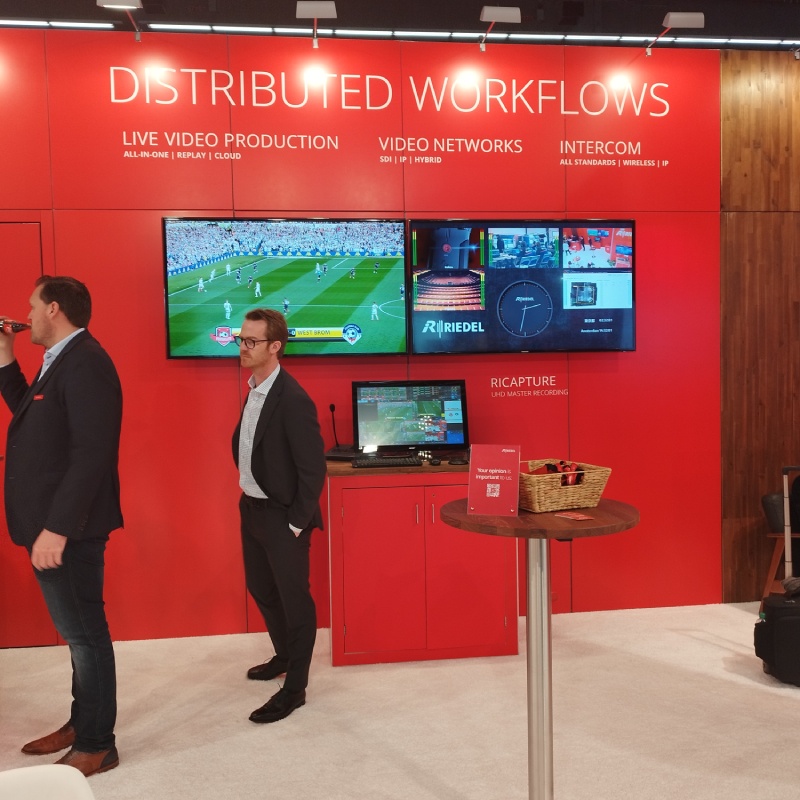
Professional live streaming of hybrid events with Riedel Communications
Digital events only unlock their full value when technical and organisational components work together seamlessly. The event industry is one of the most technologically demanding sectors and expectations are rising, especially in the digital segment.
Professional audio and video technology
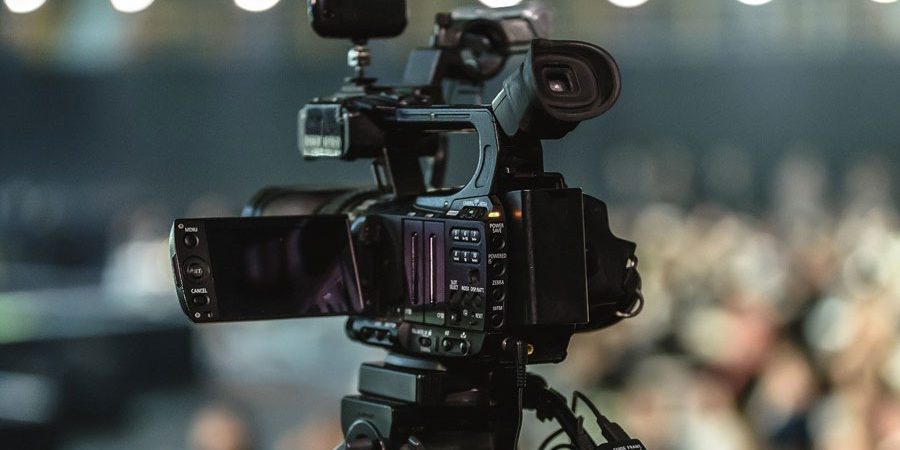
High-quality microphones, clear speech intelligibility and stable video feeds form the backbone of any digital event. Attendees will not accept poor audio quality or visual glitches. Professional lighting and camera work further improve visual quality and thus the overall impact of a digital format.
Streaming infrastructure
Whether studio production or live transmission from an event hall – streaming determines the reliability of a digital event. This includes:
- high-performance servers and bandwidth
- redundant networks
- fail-safe encoding
- adaptive streaming formats (e.g. HLS)
- chat support or digital helpdesks
Repeated outages or loading times are the most disruptive factors and can cost both conversions and reputation.
Event platforms and interaction tools
Digital events are only successful if interaction is possible. Modern platforms offer:
- Q&A modules
- breakout sessions
- matchmaking tools
- networking features
- 3D spaces or virtual show floors
- gamification elements
The higher the level of interaction, the stronger the engagement.
Media technology, VR and AR
Immersive technologies enable experiences that go far beyond classic webinars. VR showrooms, AR-based product presentations or virtual stage designs create emotional dynamics that are particularly valuable for brand experiences.
AI-supported production
Artificial intelligence is increasingly transforming the organisation of digital events. AI helps with:
- automated transcriptions
- live translations
- personalised programme recommendations
- optimised event scheduling
- audience behaviour analysis
- automatic content creation for social media
For organisers, this leads to efficiency gains, while attendees benefit from a tailored event experience.
Digital events are more than livestreams – new formats and stagings
The variety of event formats has expanded significantly. The most important digital and hybrid formats include:
Virtual trade fairs
Virtual exhibitions offer:
- virtual trade fair stands
- product videos
- live demos
- communication interfaces
- meeting tools
They are particularly suitable for product launches, international audiences and complex technologies that require explanation.
Digital conferences
Digital conferences integrate keynotes, panels, masterclasses and networking areas. They reach large audiences and are an excellent match for industries that rely on international networking.
Hybrid events
Hybrid events combine digital and physical elements. At the moment, these formats are especially relevant because they merge the strengths of both worlds:
- live experience on site
- global reach in the digital space
- on-demand availability
Hybrid events have become standard practice in the trade fair world, particularly for international industry gatherings.
Digital productions for brand communication
Brand studios, digital showrooms or virtual product demos open up new avenues for brand staging. Audiovisual media, lighting dramaturgy and digital effects merge into a coherent storytelling instrument.
Challenges of digital events – and how the industry addresses them
 Digital events have become an important part of the event landscape in recent years. But despite all their advantages, they are not automatically successful. They come with challenges that affect both the technical implementation and the emotional experience of participants. The event and ProAV industry has already responded and is continuously developing solutions to make digital formats more stable, interactive and atmospheric.
Lower emotional presence and lack of live feeling
Digital events can offer a great deal – reach, flexibility, on-demand access. However, one factor is difficult to replicate digitally: the unique atmosphere of a live experience. The shared moment, the energy of a crowd or the sense of being in a special place can only partially be transferred online.
Several elements help make digital events emotionally compelling:
- Professional moderation: Hosts act as a bridge between stage and screen. They provide orientation, actively involve participants and give the digital space personality.
- Interactive tools: Q&A sessions, live chats, polls or breakout rooms offer direct opportunities for participation – essential to overcome passive viewing.
- Dynamic camera work: Instead of static shots, productions now rely on TV-style directing, moving cameras, changing perspectives and visual accents.
- Digital stage designs and XR setups: Virtual studios, LED walls and AR elements create visual experiences that sometimes go beyond classic stage designs.
- High-quality show elements: Lighting design, sound design, motion graphics and performative inserts boost the emotional impact of digital formats.
Taken together, these measures create an event feeling that comes much closer to a live experience – even with a screen in between.
Technical dependency and demanding system requirements
At an in-person event, technical problems can often be contained locally. In a digital event, a single error can affect the entire audience. Just a few seconds of downtime can determine whether an event is perceived as successful or problematic.
To prevent failures, the industry is increasingly using robust production frameworks:
- Redundant systems: backup encoders, dual internet lines or mirror servers avoid single points of failure.
- Parallel streams: if one stream fails, a second stream can take over seamlessly.
- Emergency playouts: pre-produced content can be switched in immediately if interruptions occur.
- Stable platform architectures: cloud-based systems distribute the load across different data centres and prevent overloads.
- Pre-tests, technical checks and network monitoring: professional providers run multiple test setups in advance and monitor performance, latency and packet loss in real time.
Events such as Prolight + Sound clearly show how much digital event production has professionalised – traditional event technology and broadcast technology are increasingly merging.
Engagement challenges in the digital space
Digital events are competing with emails, browser tabs and everyday distractions. The threshold for losing focus is much lower than at an in-person event. This is why digital formats must be consciously designed to maintain attention.
Successful strategies include:
- Shorter sessions: digital attention spans are shorter; many events therefore work with 15–30-minute segments.
- Interactive content: polls, live quizzes, chat integration or reaction buttons transform attendees from viewers into participants.
- Clear dramaturgy: each segment needs a beginning, a peak and a conclusion – similar to TV formats.
- Visually strong presentations: animated graphics, live demos, split screens and high-quality directing add variety.
- Live feedback loops: incorporating the audience helps create a sense of being seen and heard.
For many companies, these interactive elements are even an advantage: they enable measurable success and generate valuable insights into how content performs.
Different technical setups among participants
One of the biggest challenges for digital events lies outside the organiser’s direct control: not all participants have fast internet connections, powerful devices or accessible interfaces.
To enable as many people as possible to join, the industry is increasingly adopting inclusive standards:
- Scalable streaming quality: the stream automatically adapts to the available bandwidth – from 1080p down to 480p.
- Mobile optimisation: since many users rely on smartphones or tablets, platforms must be responsive, intuitive and touch-friendly.
- Accessibility: subtitles, audio descriptions, screenreader-compatible navigation and clear contrasts improve accessibility.
- Transparent technical requirements: participants receive clear information in advance on browsers, bandwidth, audio settings and recommended hardware.
Digital inclusion is therefore becoming a key quality characteristic of modern event platforms.
The challenges of digital events are diverse – but the industry has made enormous progress in recent years. With professional production standards, immersive design elements, mature platform architectures and inclusive user concepts, digital formats are emerging that not only function reliably, but also inspire audiences in a sustainable way.
How AI is transforming digital events
Artificial intelligence is one of the most important driving forces in current event development. It strengthens four key areas in particular:
- Personalisation: AI identifies interests and suggests relevant sessions. This creates a tailored event schedule for every individual.
- Automated translation & accessibility: live captioning, subtitles and automatic translations make events accessible worldwide.
- Content generation and post-event utilisation: AI produces clips, summaries, social media posts and text extracts within seconds, significantly extending an event’s lifespan.
- Data analytics for event optimisation: heatmaps, engagement analyses and predictive insights help organisers continuously improve their events.
For the industry, this creates an ecosystem that combines creative work with data-driven decision-making.
The role of digital events at Prolight + Sound Guangzhou and Prolight + Sound Bangkok
Digital events are no longer just a European or North American phenomenon. Especially in Asia, virtual and hybrid formats have developed enormous momentum and now shape key segments of the event and ProAV industries. The international platforms under the Prolight + Sound brand clearly show how strongly digital event productions are driving market growth. Prolight + Sound events reflect the structural market trends of their regions, set technological impulses and create spaces in which digital and hybrid formats have become an integral part of professional event technology.
Prolight + Sound Guangzhou: digital events as a driver of technological innovation
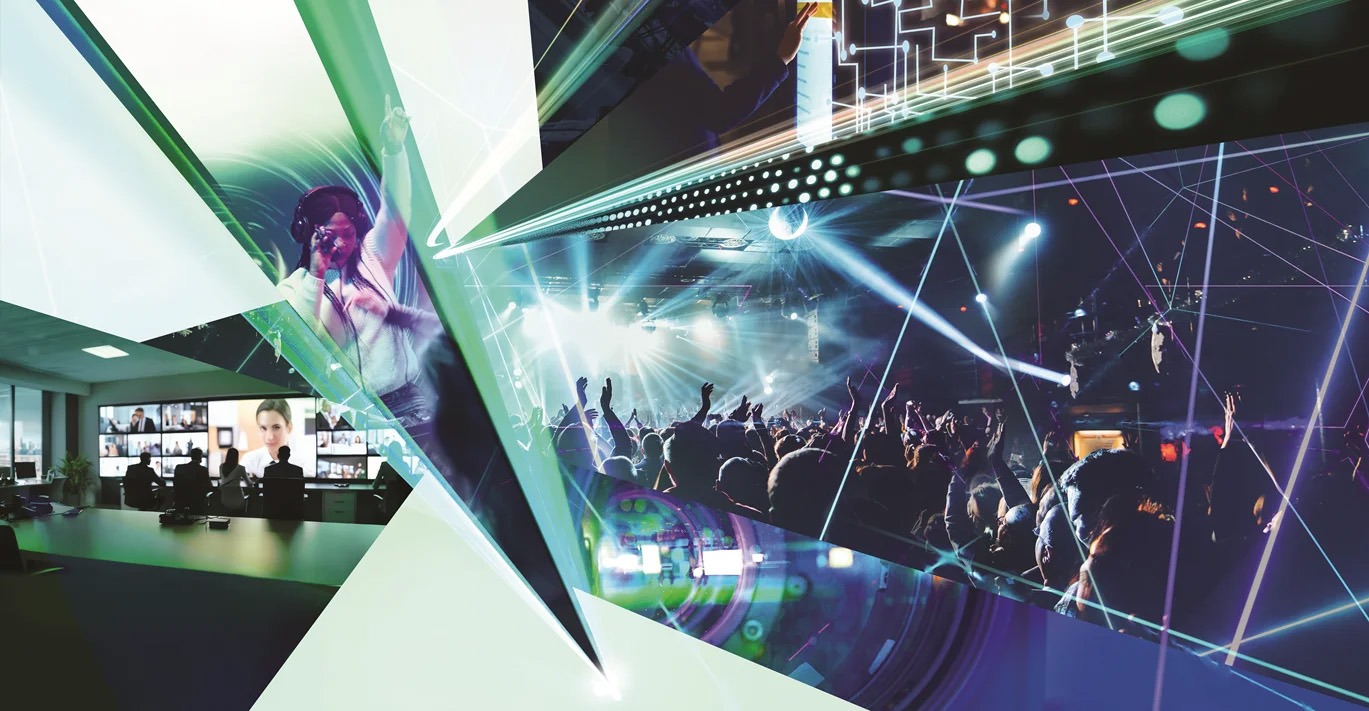 The Prolight + Sound Guangzhou is one of the largest trade fairs for professional audio, lighting, stage and AV technology worldwide. In China, where streaming, e-commerce live formats and digital broadcast studios are already part of everyday life, demand for solutions for digital events is particularly high. Guangzhou is therefore a key innovation hub for technologies that enable digital and hybrid events around the globe.
Exhibitors present a vast range of tools for digital productions. Streaming systems, broadcast technology, high-quality audio solutions for online conferences, AR and XR studios, tracking and camera systems, media server setups and immersive LED environments are especially prominent. These technologies form the foundation on which digital events are created – from virtual product shows to global specialist conferences.
Alongside product presentations, education plays an important role. Forums and panels regularly address topics such as “workflow optimisation for live streaming”, “AV integration for hybrid conferences”, “XR productions for digital stage designs” or “AI-based tools for remote events”. The fair thus reflects the technological future of the industry: digital events are not shown primarily as a format, but as a technologically demanding type of production that requires professional tools and opens up new creative possibilities.
For international visitors, Guangzhou is therefore a key destination when it comes to planning digital productions at the highest technical level. The show impressively demonstrates how event technology is evolving towards media-based, hybrid production environments – a development that is gaining importance worldwide.
Prolight + Sound Bangkok: digital events as a growing market segment in Southeast Asia
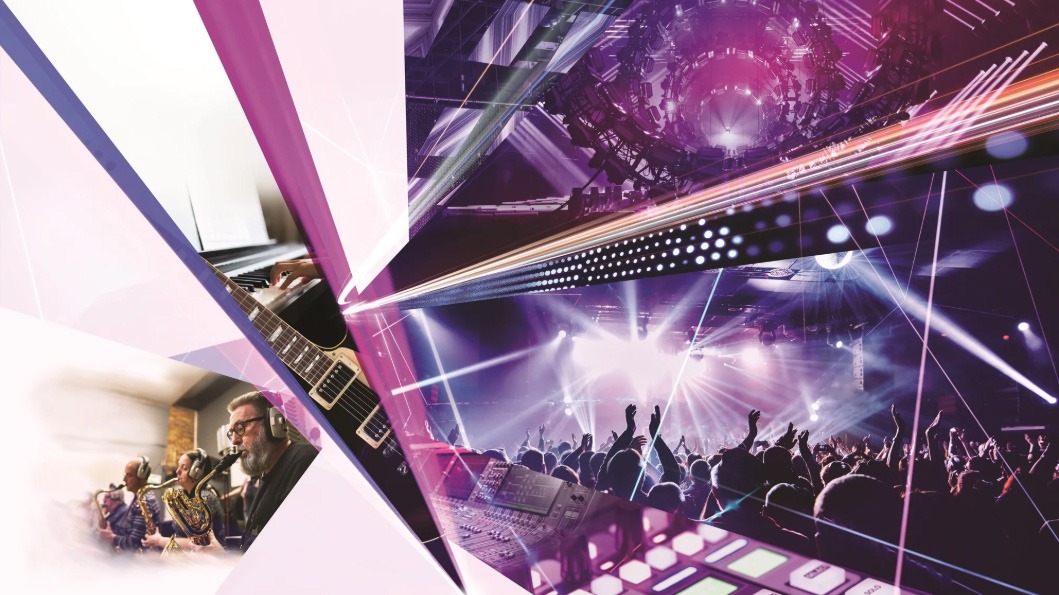 In a different, but equally relevant way, the Prolight + Sound Bangkok, which will take place for the first time in 2026, positions itself. While Guangzhou is primarily known for its technological depth, Bangkok focuses on the practical application of digital events. The show targets the rapidly growing MICE and hospitality markets in Southeast Asia, where hybrid and digital event formats have gained lasting importance.
Hotels, conference centres, convention venues and event agencies in the region are increasingly expanding their offerings with digital components – for example through hybrid business meetings, live-streamed events for international client groups, virtual product presentations or AR-enhanced brand experiences. This demand is reflected in the fair’s portfolio: AV conference technology, collaboration systems, media control, integrated display solutions and streaming infrastructure are among the most important product segments.
Bangkok acts as a strategic gateway to the ASEAN region. International manufacturers use the show to access markets with rapidly growing demand for event and AV technology. Digital events play a particularly important role in this context, as they reduce costs, increase reach and have become a central component of modern communication strategies for many companies. The fair therefore builds a bridge between technology providers and users who see hybrid formats not just as an option, but as a necessity.
As in Guangzhou, an extensive knowledge programme is also expected in Bangkok.
Global perspective: digital events as the connecting element of the Prolight + Sound network
The two locations Guangzhou and Bangkok illustrate how diverse digital events can be interpreted worldwide. While Guangzhou provides the technological foundations, Bangkok focuses on practical implementation in one of the most dynamic economic regions in the world. For the Prolight + Sound brand, this creates a complementary network: a global marketplace that stands for both technological innovation and international business applications.
Digital events act as the connecting element. They extend the reach of the shows, enable new business models for exhibitors and send strong signals to an industry that increasingly thinks and operates in hybrid terms. Whether in production, distribution, show design or system integration – digital formats now shape almost every part of event technology and are therefore a strategic component of Prolight + Sound’s international platforms.
Digital events are a permanent part of the event landscape – with growing importance
Digital and hybrid events are not a temporary phenomenon. They are a strategic building block of modern event communication. They extend reach, create sustainable experiences, offer new technical possibilities and enable precise measurement of impact. The combination of live technology, professional studio production and digital interaction defines a new, broad spectrum of event formats.
For the event industry, this marks a long-term development path that connects creativity, technology and international exchange. And this is precisely where Prolight + Sound plays a key role: as an innovation driver, a platform for dialogue and an international stage for the future of event technology.