
LED walls, video walls and interactive displays are increasingly shaping the visual appearance of events, trade fairs, conferences and brand presentations. Whether on large stages, in conference centers or in permanent installations. Modern display solutions have long been more than just projection surfaces. They are part of the staging, communication platform and technical infrastructure at the same time.
This trend is also clearly evident at Prolight + Sound Guangzhou. Display solutions play a central role in the trade fair’s product categories. These include LED displays, LCD and OLED displays, video walls and interactive displays. At the same time, the Visual X area is dedicated to digital vision technologies, intelligent displays and immersive media solutions. For experts from the event industry, this makes it clear that display technologies are among the most important growth drivers in the Pro AV market.
But what criteria determine whether a display solution really suits the application?
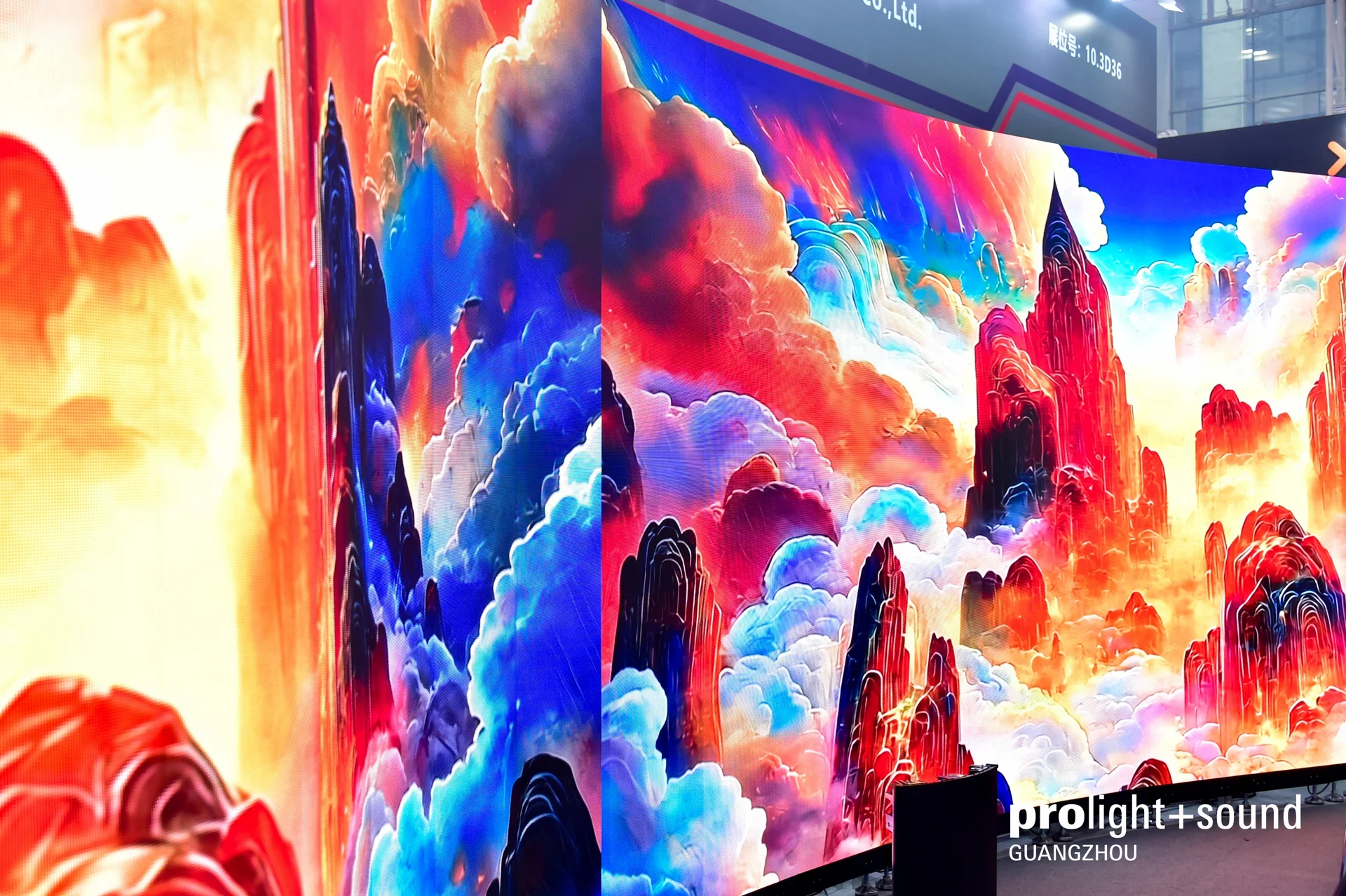
What role does the pixel pitch play in LED walls?
Prolight + Sound Guangzhou 2025
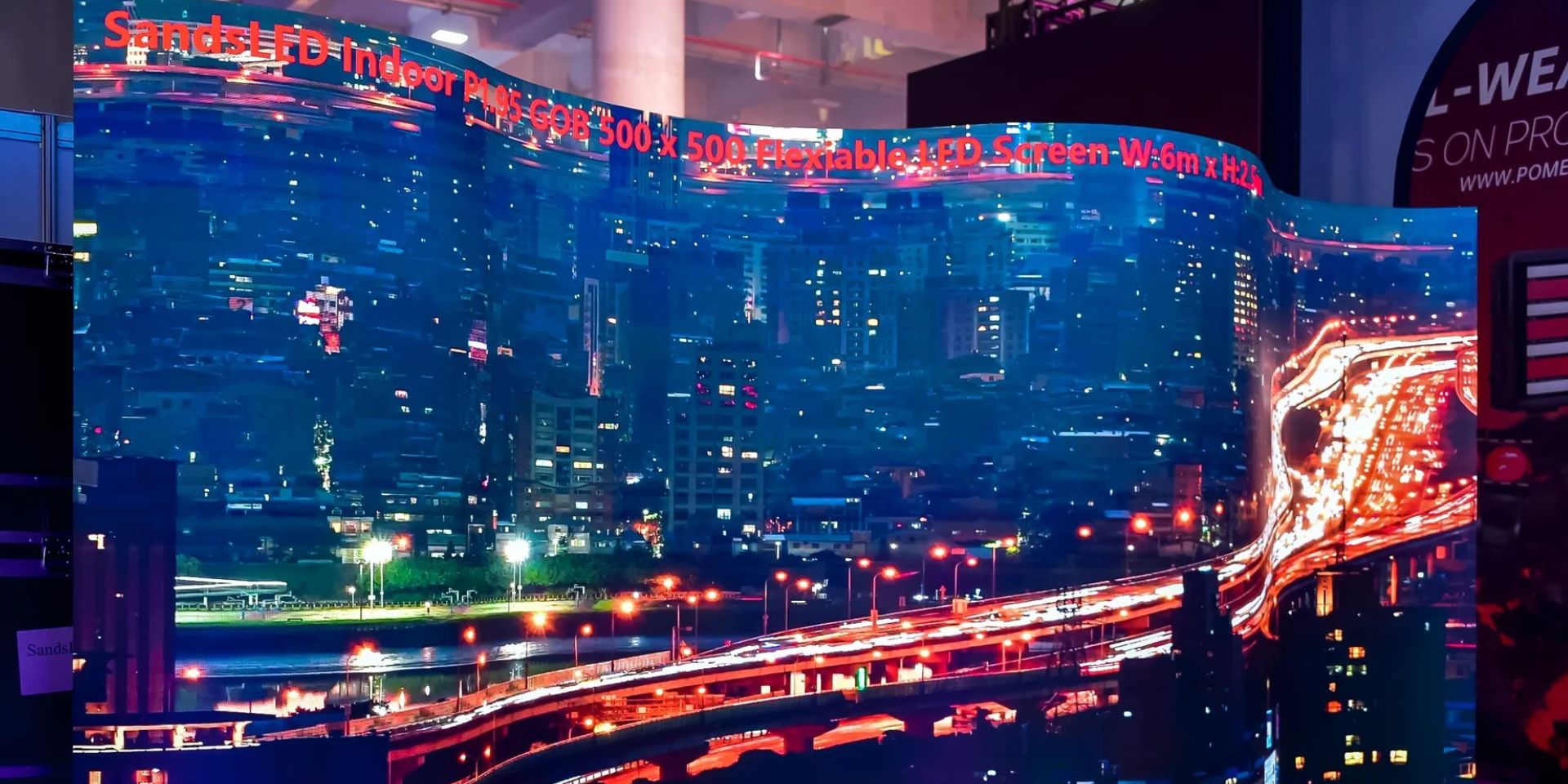
The pixel pitch is one of the most important technical key figures for LED displays. It describes the distance between two pixels and significantly determines the sharpness of the image and the optimum viewing distance.
The smaller the pixel pitch, the closer together the pixels are. This creates a sharper image that looks convincing even from a short distance. Fine pitch LED walls with pixel pitches of less than two millimetres are therefore often used in conference rooms, broadcast studios or corporate installations.
The situation is different for large stages or festival productions. Spectators are often several meters or even several dozen meters away. In such cases, a larger pixel pitch is sufficient. This reduces costs and simplifies the installation without compromising the image effect.
This results in a central rule for organizers. The choice of pixel pitch should always be based on the average viewing distance. Important considerations are, for example:
- How close the audience can get to the display
- What resolution does the content need
- Whether cameras or broadcast applications are planned
- Which budgets are planned for production
If the resolution is too high, there is no visible advantage if the audience is standing far away. At the same time, a pixel pitch that is too high can lead to visible pixel structures at close viewing distances.
How important is the brightness of a display?
Another key selection criterion is brightness, which is usually specified in nits. It determines whether content remains clearly recognizable even under difficult lighting conditions.
Indoor applications generally require significantly lower brightness values than outdoor installations. In conference rooms, studios or exhibition halls, values between 500 and 1000 nits are often sufficient. For outdoor events or heavily illuminated exhibition stands, however, several thousand nits may be required.
However, organizers should not consider brightness in isolation. The interplay of ambient light, contrast, color fidelity and reflections in the room is crucial.
Typical questions during planning include the strength of the available ambient light, possible influences from spotlights or daylight and the question of whether content will also be recorded by cameras. The contrast and color stability requirements for the respective application also play a role.
Camera productions also play a role. With live streaming or broadcast applications, the brightness must be set so that the camera and display work together optimally.
What is the significance of the viewing angle?
Prolight + Sound Guangzhou 2025
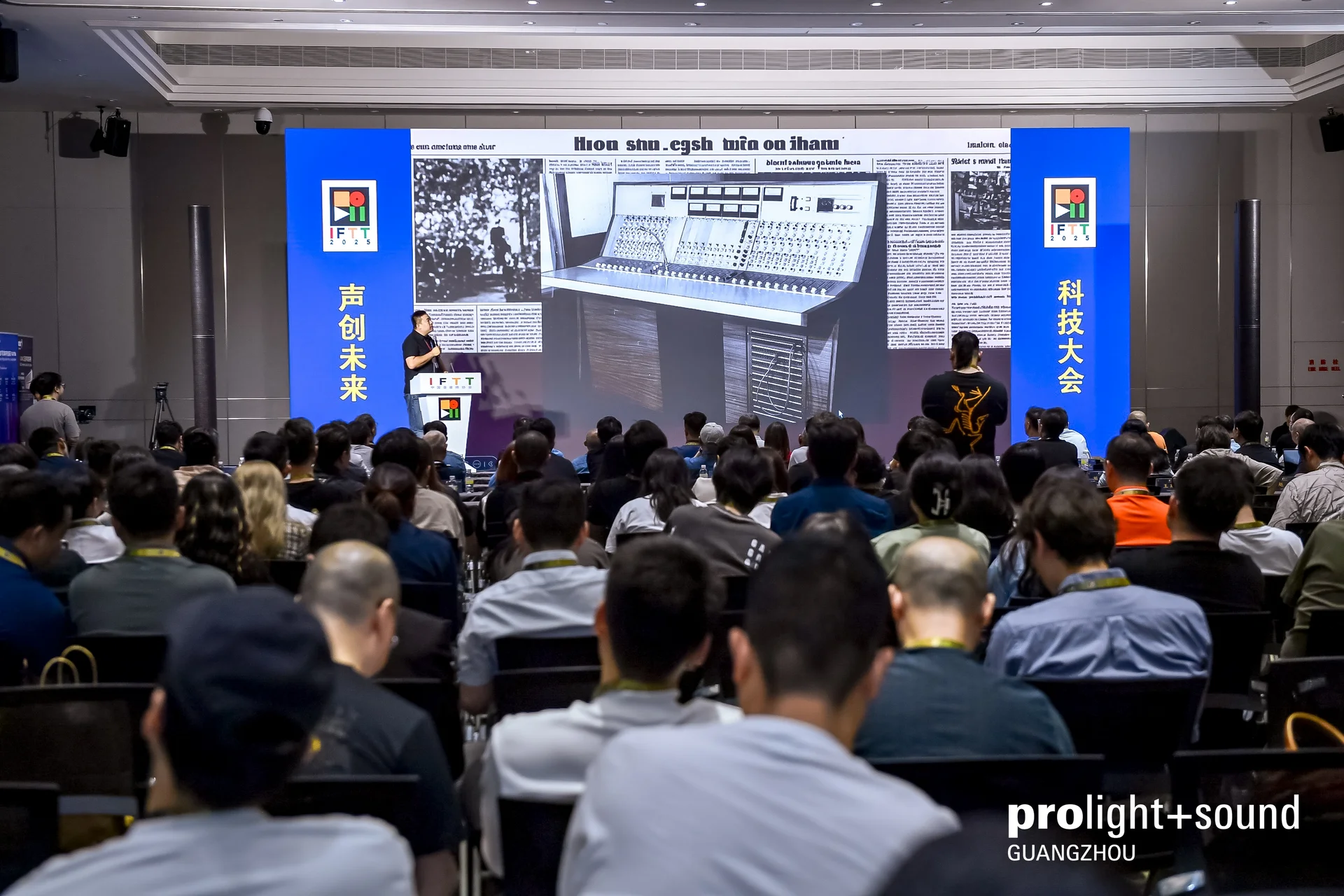
The viewing angle determines the angle from which a display still provides a clear and color-stable image. At events or trade fair stands in particular, many visitors do not view the displays from the front, but from the side.
Modern LED displays and high-quality LCD panels often achieve viewing angles of over 160 degrees. Nevertheless, brightness and color reproduction can change at extreme viewing angles.
This factor is particularly important for applications such as:
- Conference rooms in which the display is viewed from different seating positions
- Retail installations where content must remain visible to customers from different directions in the room
- Exhibition stands where displays are often viewed from the side
- Foyer displays that provide information in heavily frequented entrance and reception areas
- Interactive information systems, for example in museums or visitor centers, where several visitors use content on the display at the same time
If the audience moves freely around the room, screens should remain clearly visible from as many positions as possible.
Why does processing play such an important role?
In addition to the display itself, it is above all the signal processing that determines the image quality. Display controllers and processors perform a number of important tasks.
These include scaling input signals, image processing and colour matching, mapping content to LED surfaces and synchronizing multiple displays. The integration of media servers is also one of the central tasks of modern processing systems.
High-quality processing ensures uniform brightness, stable colors and clean transitions between individual LED modules. Particularly with large-format LED walls or complex video installations, the quality of the signal processing can make the difference between a good and an outstanding visual result.
For immersive applications or media installations, flexible control of the screen surfaces is also crucial. In these cases, screens often have to adapt to unusual shapes, curves or spatial structures.
How critical is latency with modern display solutions?
Latency describes the delay between the input of a video signal and its presentation on the display. In many classic applications, it only plays a subordinate role. However, it can be decisive for modern event formats.
Latency is particularly relevant for:
- Live camera broadcasts on stages
- XR productions
- Virtual Production
- Interactive installations
- Gaming and eSports events
If the image and the real action do not match exactly in time, this creates a disruptive effect for the audience and the performer.
Modern LED controllers therefore work with extremely low delays. In some systems, the latency is only a few milliseconds or even less than one frame. For event organizers, this means that not only the screen, but the entire signal chain must be considered.
What requirements does Touring place on LED displays?
In the touring sector, other criteria are more important than for permanent installations.
In the touring sector, other criteria are more important than for permanent installations. Displays must be transportable, robust and quick to set up so that they can meet the requirements of touring and changing venues.
Various technical and practical factors play a role here. These include keeping the weight of the LED cabinets as low as possible, stable frame constructions, precise locking systems and quick assembly and disassembly. Protecting the LED modules during transportation and handling is also an important aspect.
Flexible rigging options are also crucial. Displays must be able to be either flown or stacked and at the same time withstand the stresses of transportation, set-up and changing weather conditions.
Efficient transportation solutions, a modular system design and fast service access are also crucial for large-scale touring productions. If necessary, individual modules should be able to be replaced quickly without having to dismantle large parts of the installation.
What distinguishes installations from touring applications?
For permanent installations, the priorities shift significantly. The focus here is on long-term operational reliability, maintenance access and integration into the building structure.
Important aspects are, for example
- Load-bearing capacity of the wall or structure
- Accessibility for maintenance
- Front or rear service options
- Cooling and air circulation
- Power supply and cabling
- Integration into media control systems
In showrooms, museums or control rooms, displays often have to function reliably for many years. Careful planning of the technical infrastructure is therefore crucial.
Design is also playing a greater role. Displays are often integrated into architectural concepts and must blend in visually with the room.
What role do interactive displays play in the Pro AV market?
Prolight + Sound Guangzhou 2025
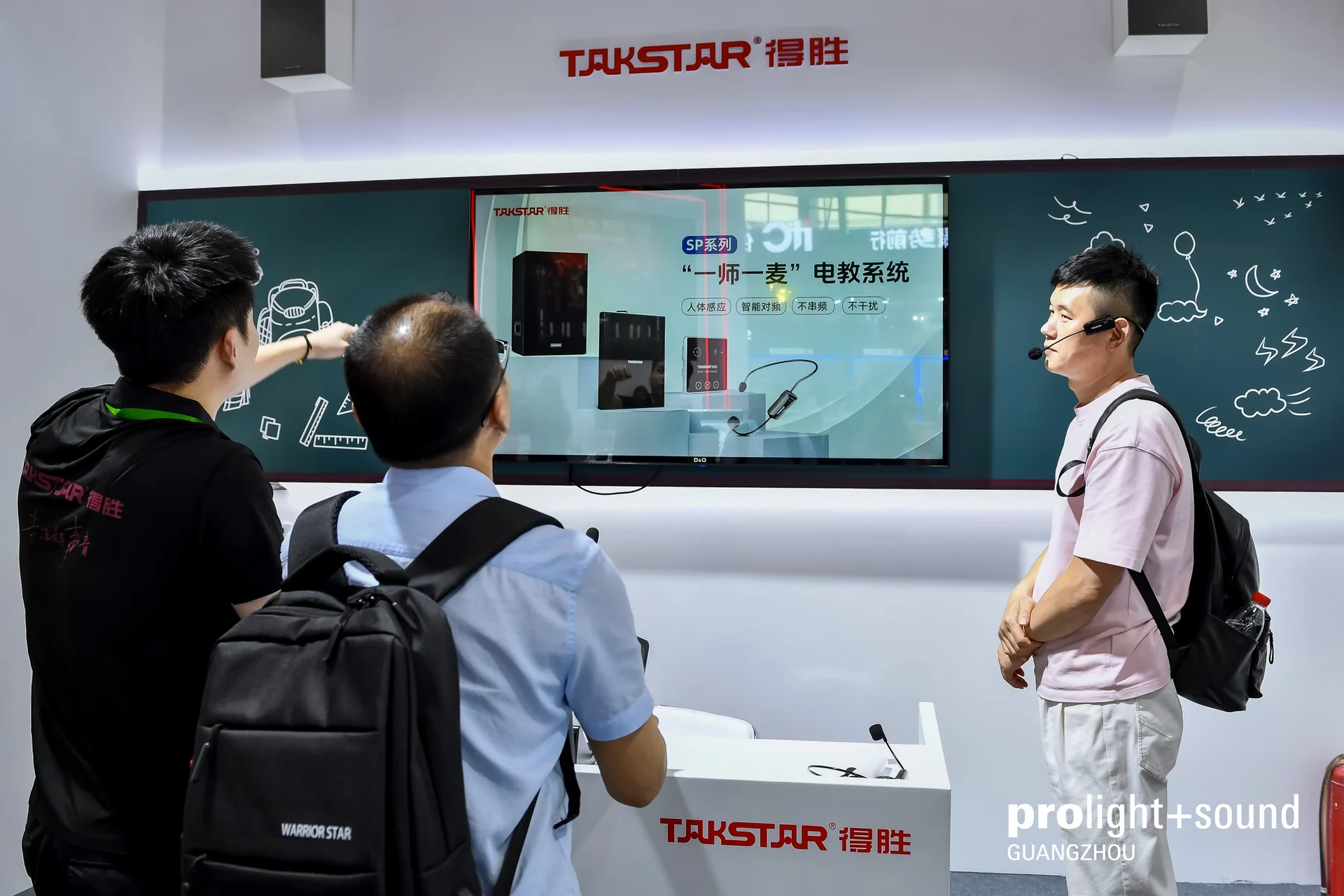
In addition to classic LED and video walls, interactive displays are becoming increasingly important. They combine high-resolution screens with touch technologies and collaborative functions.
Typical fields of application are, for example
- Conference rooms and meeting environments for collaborative presentations
- Experience centers and showrooms for interactive product presentations
- Educational institutions for digital learning environments
- Visitor centers or museums for interactive information services
- Exhibition stands for self-controlled product information
Interactive displays make it possible to edit content directly on the screen or develop it together. In combination with wireless presentation systems, flexible working environments are created for meetings and workshops.
Interactive displays are also opening up new possibilities in the event industry. Visitors can control content themselves, call up information or take part in digital experiences.
Why is projection and display a growing focus at Prolight + Sound Guangzhou?
The increasing fusion of event technology, media production and digital communication is significantly changing the requirements for visual technologies. Displays are becoming larger, higher-resolution and more versatile. At the same time, expectations are growing in terms of image quality, interactivity and integration into complex production environments.
Prolight + Sound Guangzhou picks up on precisely this trend. The trade fair will take place from May 28 to 30, 2026 and is one of the most important platforms for professional event technology and Pro AV solutions in Asia. Visitors will get an overview of the latest developments in LED screens, video walls, professional LCD and OLED displays and interactive visualization technologies.
A particular focus is on combining display technologies with immersive media solutions and digital experience spaces. In the Visual X area, intelligent displays and new applications for immersive visualization will be presented.
For organizers, integrators and event professionals, the trade fair thus offers a compact overview of current trends in the field of projection and display and shows the role that visual technologies will play in the design of modern event formats in the future.